The forecast
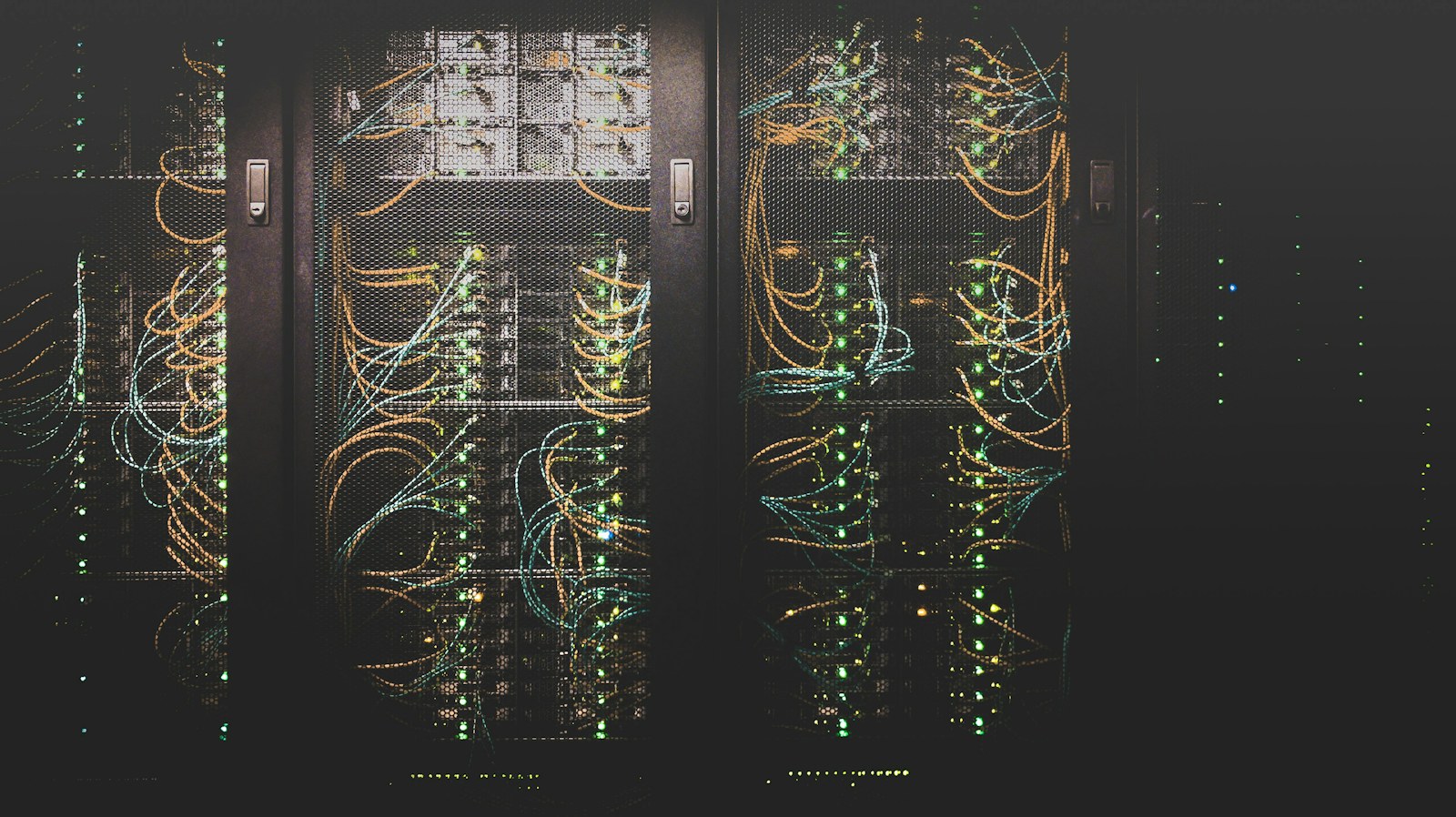
The International Energy Agency’s 2025 Energy and AI report estimates that data centres used about 415 TWh of electricity globally in 2024. Its base case projects about 945 TWh in 2030. The second figure is a scenario-based forecast, not electricity already consumed.[1]
The local question
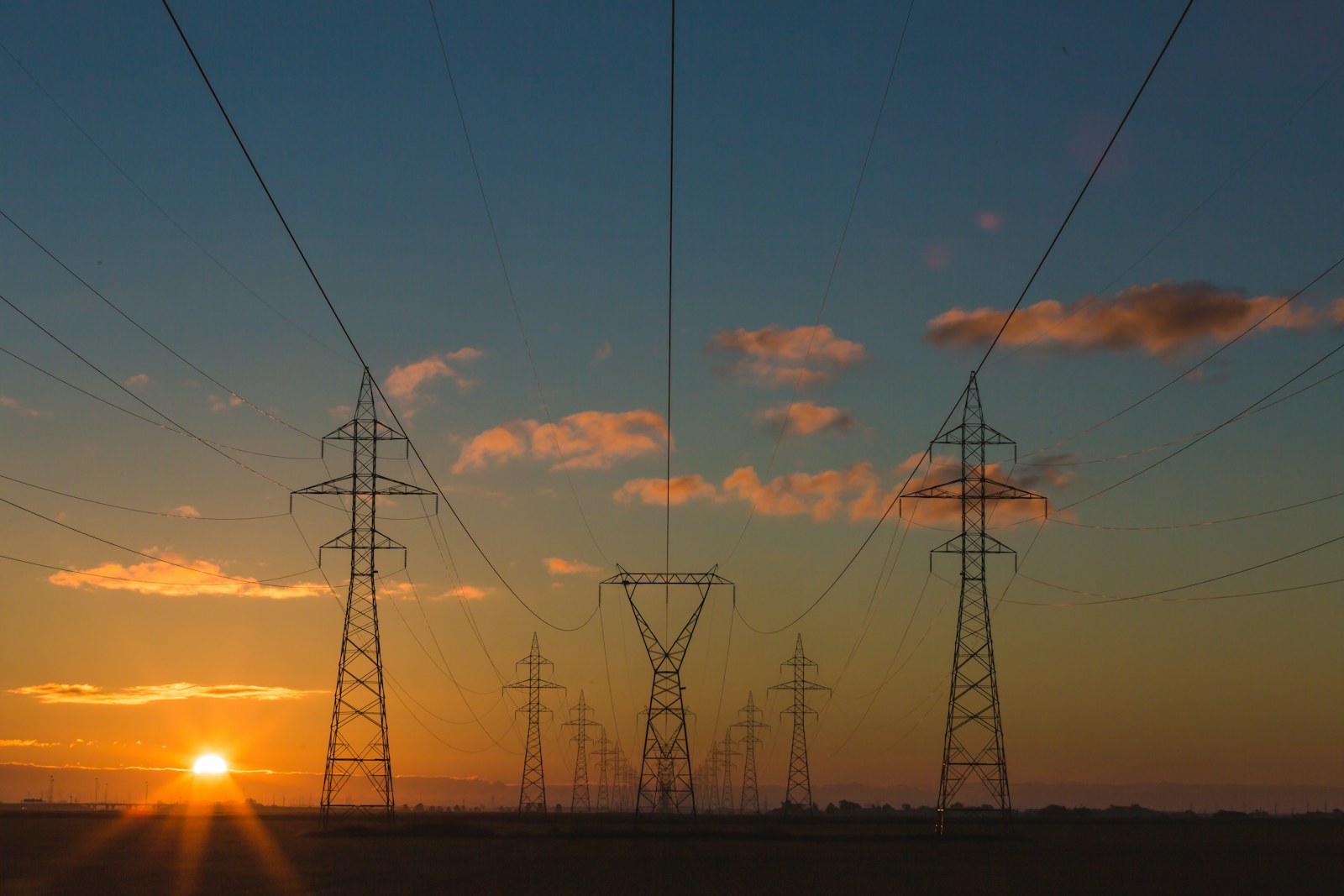
A global demand curve cannot tell a developer whether a particular site will receive power on time. The IEA highlights the geographic concentration of data centres and the pressure that can put on local networks. London-facing technology coverage should therefore follow connections, usable capacity and delivery dates alongside announcements of new compute investment.
The Meridian view
The commercial distinction is between a proposed facility and capacity a customer can actually use. A larger spending plan may create opportunity for some suppliers while leaving other projects waiting for supporting infrastructure. Neither the size of the market forecast nor the popularity of AI resolves that execution risk.
What to watch
Ask for the status of the power connection, the construction timetable and the assumptions behind the demand forecast. Keep those facts separate from a company’s revenue guidance. This report explains a constraint; it does not identify a winning security or establish the viability of an individual project.
Inspect the evidence.
Sources checked 14 October 2026. Inline references connect factual sections to the documents below. Analysis is the publication’s interpretation; multiple documents from one institution are not independent corroboration.
- International Energy Agency · Energy and AI, executive summary ↗2025 report. The 2024 demand estimate and 2030 base-case projection have different statuses; neither is a live 2026 electricity reading.
Prepared with AI assistance under a disclosed fictional editorial identity. General analysis, not personalised investment advice. No paid placement is attached to this article. AI & authorship · Request a correction.

Leo Hart
The Innovation editorial identity follows the physical and commercial constraints behind technology investment. It asks when infrastructure is usable and when an ambition becomes a paying customer.