What matters. Why it matters.
- DP World says two large quay cranes arrived at London Gateway in September for Berth 5, which it expects to open in 2027.
- The operator reported more than 3 million TEU handled at the terminal in 2025. That is historical throughput, not future capacity utilisation.
- Port-wide tonnage and one terminal’s container volumes measure different things. Keep the units visible.
A visible step, with a future opening date
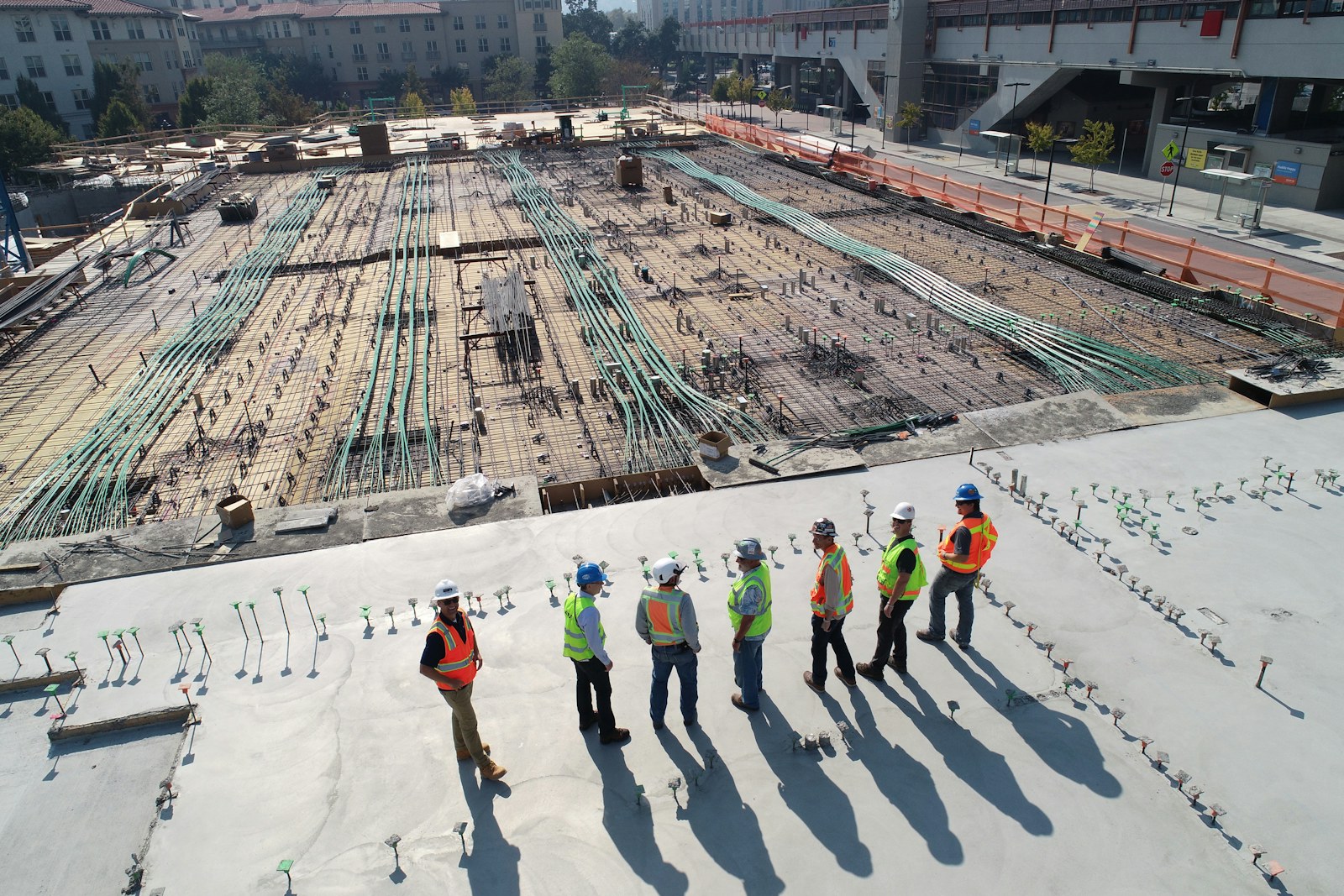
DP World’s 1 October announcement says the first pair of new quay cranes arrived at London Gateway on 25 September. The operator says they will serve the all-electric Berth 5, under construction within its £1 billion expansion, with operation expected in 2027. The arrival of equipment is a concrete project milestone. The expected opening date remains the operator’s timetable; this article does not establish that commissioning has already happened.[1]
The existing business provides the starting point
In its January release, DP World reported that London Gateway handled more than 3 million TEU in 2025, compared with 1.9 million in 2024. TEU is a twenty-foot-equivalent container measure. The historical figures show the operator’s reported throughput at the terminal, not the volume a new berth will necessarily attract. The source is the company describing its own operations, so its origin belongs beside the number.[2]
Read the whole port without merging the units
The Port of London Authority’s September trade update says more than 14 million tonnes moved through the wider port in the second quarter of 2026, highlighting construction materials, energy products and international trade. Tonnage across the port and container TEU at London Gateway answer different questions. A change in cargo mix can matter to tonnage without representing a comparable change in container movements. Putting the two figures together is context, not a calculation of terminal market share.[3]
Where the infrastructure story reaches the customer
Our analysis is that capacity has value when the wider journey works. A ship call has to connect with storage, handling and the onward movement of goods. A larger crane can be an important component without resolving every constraint around it. Readers examining the opportunity should look for the customer route: why a service would use this terminal, what happens when containers leave the quay and where additional time or expense could arise. The answers need operating evidence, rather than an attractive rendering of a bigger site.

The difference between a project and a security
The expansion may be relevant to logistics, construction and the wider Thames economy, but it does not create an automatic investment conclusion about a supplier or neighbouring asset. To make that connection, establish a disclosed contract, the work to be delivered, the terms of payment and the costs of fulfilling it. A company name appearing near a large project is not enough. This feature evaluates public infrastructure milestones; it does not recommend a security, provide a price target or claim privileged access to management.
How we would track the project
A useful project record keeps the construction stage, operating status and commercial evidence on separate lines. An equipment delivery changes the first line. A commissioning notice may change the second. Sustained traffic belongs on the third. Each entry should retain its document date and the organisation responsible for the claim. That structure prevents an older target from quietly becoming a statement of present fact. It also creates a clear route for follow-up coverage: report the changed milestone, explain its consequence and identify what still needs to happen. The method is portable to airports, rail terminals and energy infrastructure without assuming their economics are identical.
The evidence we want next
The strongest follow-up would reconcile the planned opening with commissioning evidence and subsequent operating volumes. We would also look for comparable periods, consistent units and enough detail to distinguish more cargo from a different cargo mix. If future releases describe a revised schedule, that change should remain visible in the story history. If they establish that a milestone has been achieved, the update should say exactly which milestone changed. The interesting question is how the added capacity becomes useful—not simply how large the next announcement can be.
The case and the counter-case.
The signal
A physical delivery milestone makes the expansion easier to examine. The revenue case still depends on usable capacity and sustained customer traffic.
What could change it
Opening dates, cargo mix, competing routes and inland logistics can alter utilisation. Operator statements require attribution.
The next checkpoint
Follow commissioning disclosures, subsequent terminal volumes and evidence of how freight moves beyond the port.
Inspect the evidence.
Sources checked 16 October 2026. Inline references connect factual sections to the documents below. Analysis is the publication’s interpretation; multiple documents from one institution are not independent corroboration.
- DP World · Quay cranes arrive at UK ports ↗Operator announcement dated 1 October 2026. Construction schedule is management guidance, not an independently verified completion. Document date: 1 October 2026.
- DP World · London Gateway 2025 handling record ↗Operator-reported 2025 TEU volumes, published 19 January 2026. Historical throughput is not a 2026 forecast. Document date: 19 January 2026.
- Port of London Authority · Q2 2026 trade update ↗Published 24 September 2026. Port-wide cargo tonnage is not interchangeable with one terminal’s container TEUs. Document date: 24 September 2026.
Prepared with AI assistance under a disclosed fictional editorial identity. General analysis, not personalised investment advice. No paid placement is attached to this article. AI & authorship · Request a correction.

Eleanor Vale
The London Business editorial identity follows commercial infrastructure, transport, logistics and property delivery. It asks what is operational, what has been financed and what remains an announced project.